“Art is not a mirror held up to reality but a hammer with which to shape it”
Bertolt Brecht 1898-1956
Richard Viladesau’s reading on “The Significance of Art for Christian Theology” made the case for just how influential art is for “shaping and expressing Christian faith and practice”. He went so far as to say that often what artists produce for the time they are active gives us a better idea about the religious thinking of the time than any theologian could do (Viladesau, 233)
Callum Brown speaks to the seismic shift of the late 1960’s: “Pop music, radical fashion and student revolt were witness to a sea-change in sexual attitudes and the dismissal of conventional social authority. There was a cultural revolution amongst young people, women and people of color that targeted the churches, the older generation and government. In this maelstrom, traditional religious conceptions of piety were to be suddenly shattered…In its place there came liberalization, diversity, and freedom of individual choice in moral behavior.”
(Callum G. Brown, Religion and Society in Twentieth-Century Britain 224, quoted in Brewer, 107)
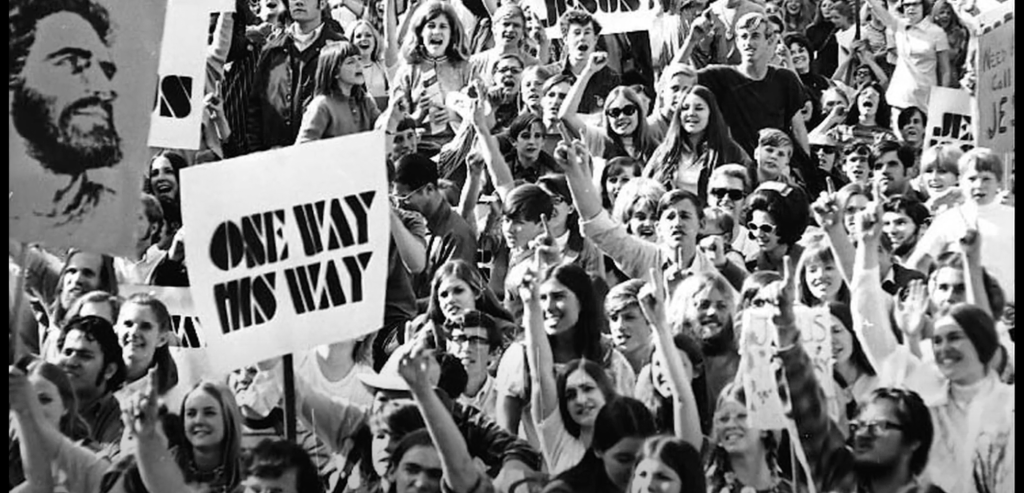


Images from YouTube video “The Jesus People Movement of the 1960’s and 1970’s by Hal Graves
“Paradoxically, one reason for JCS‘s early success was its embrace by evangelicals. Its advent as recorded music and theatrical performance coincided with what was known popularly as the ‘Jesus Movement.’ The movement stemmed from young people’s disillusionment with institutional Christianity and the desire for a more authentic, renewed form of Christian spiritualism, in which music played a vital role.” (Brewer, 108)
Andrew Lloyd Webber and Tim Rice grew into burgeoning artists during the late 1960’s in Great Britain and without a doubt were shaped by the prevailing thoughts, social mores, and belief systems.
The 60’s were a turbulent time in America as well. Jim Crow segregation was dying a slow death, civil rights were being championed, protested and fought for, prominent civil rights leaders were assassinated, and the war in Vietnam was being fought with scenes of the bloody conflict visible on television screens every night. There was a great deal of youth disillusionment from all these monumental events.
To witness so called Christians behaving in bigoted, hateful ways toward people of color, and to see their country committing heinous acts in a foreign land surely had the effect of antipathy and questioning, if not outright rejection of religion in general.

Jim Crow laws blatantly subjugated people of color which eventually led to the proliferation of peaceful, non-violent protests as well as violent riots.
Image courtesy of Library of Congress

The Watts riots in Los Angeles in 1965 were a prime example of the weariness of people of color striking out to express outrage, solidarity and the desire to make real, lasting change in their lives. Brutal treatment by law enforcement was a common reaction to these riots, which unfortunately, but not surprisingly, has often translated to the present.
Image: Police arrest a man during the Watts riots, August 12, 1965, New York World-Telegram
The tumultuous decade of the 1960’s
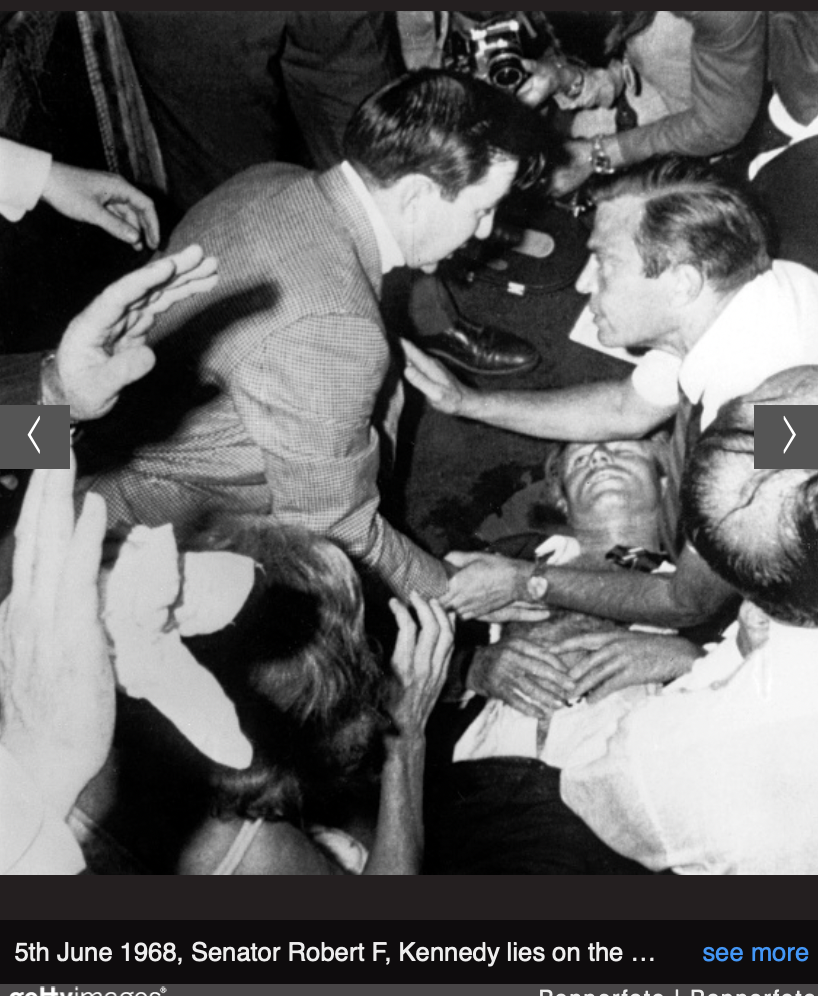
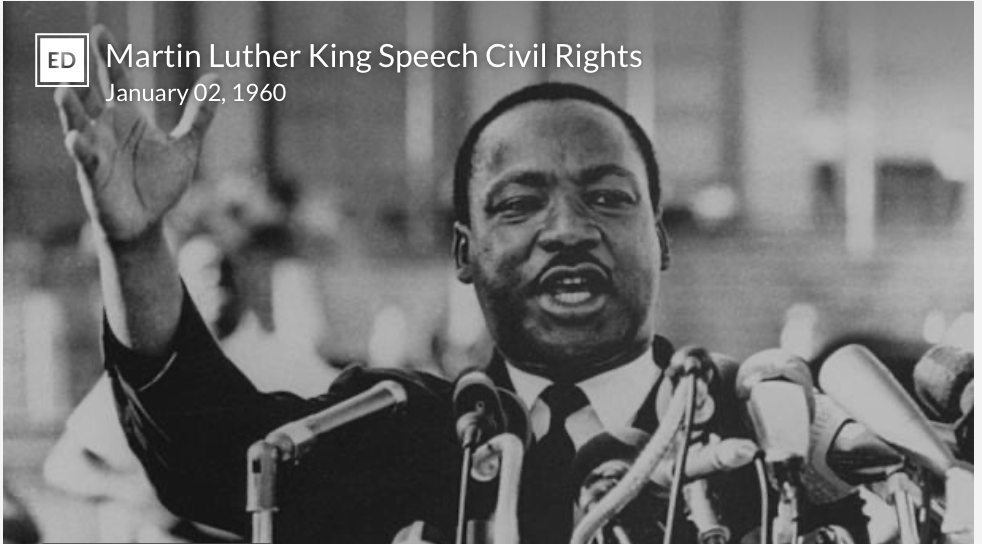


President John F. Kennedy, Robert Kennedy, Medgar Evers, Malcolm X, and Martin Luther King, Jr. were all assassinated in the 1960’s. Protests of civil rights abuses and the war in Vietnam were widespread across the country.
From Mary Brewer’s book chapter, Scott Miller makes the case that:
“Jesus Christ Superstar is about politics, not religion, about a political activist, not the son of God…Rice’s story was a story about an authoritarian government and institutionalized religion trying to snuff out the voice of enlightenment and of peace. In other words, the 1960’s. And maybe also the early 2000’s”. (Brewer, 114)
Images on this page: From Christopher Newport University Archives
 Jesus Christ Superstar